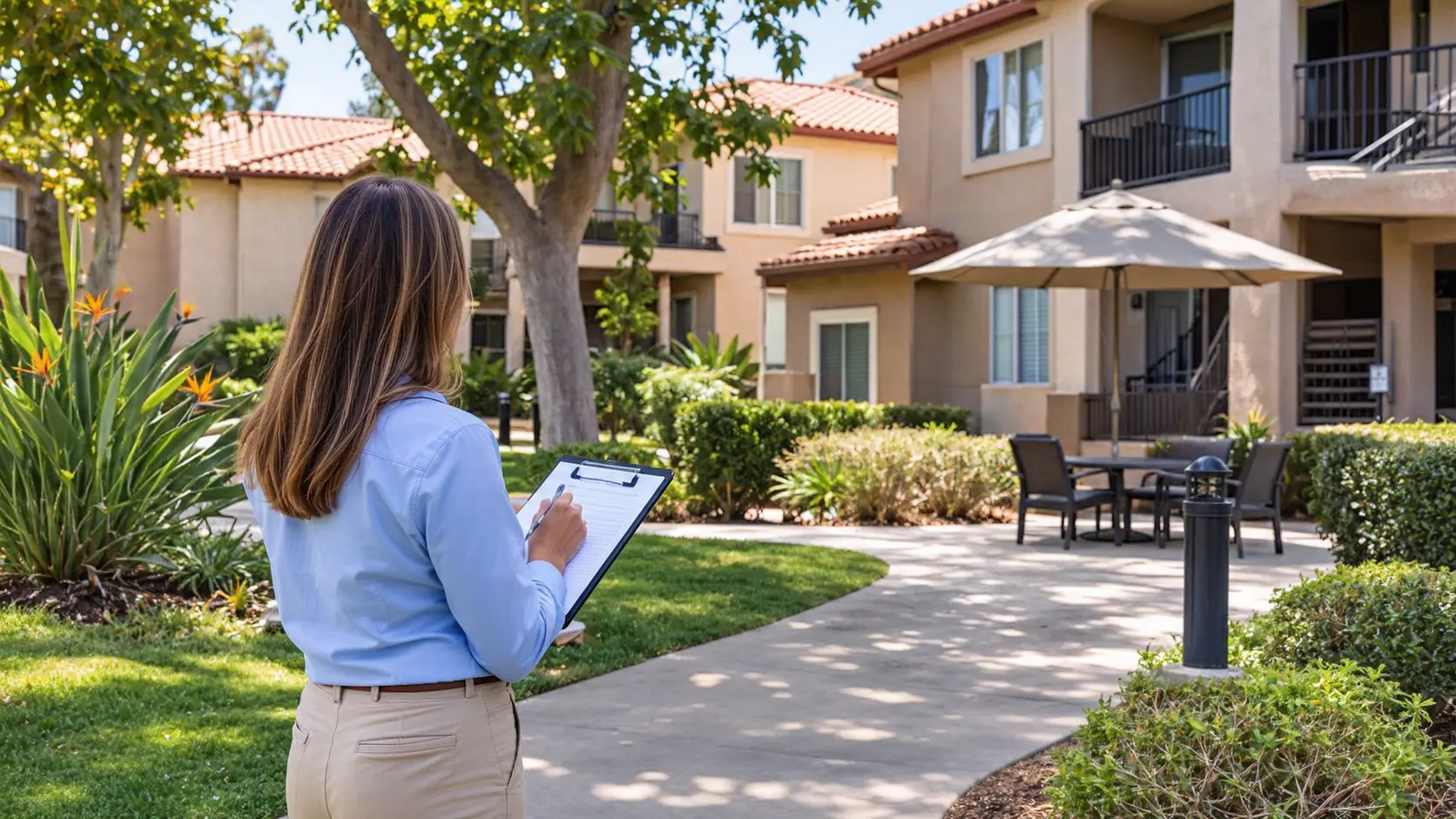
HOA maintenance scheduling is the plan that shows what gets serviced, when it happens, and who is responsible. A clear schedule can help keep common areas safe and well kept for residents. It can also help a board spread costs across the year instead of absorbing them all at once.
Many boards react to problems only after a homeowner complains. That works until a drainage issue, a broken gate, and dying landscaping all land on the same agenda. It is a common pattern in associations of every size.
Property Advantage supports HOA communities across San Diego County, Orange County, and the Inland Empire. Here is how a workable schedule comes together and where boards often get stuck.
Why a Maintenance Schedule Matters
Deferred repairs can cost more than planned ones. A written schedule gives the board a clearer view of what is coming and what it may cost. It also shows homeowners that the association has a plan.
- Better planning for repairs and replacements
- More even spending through the year instead of one big hit
- Attention to safety items such as lighting and walkways
- Clear records that help new board members get up to speed
- Easier conversations with homeowners about dues and upkeep
Start With the Assets the HOA Maintains
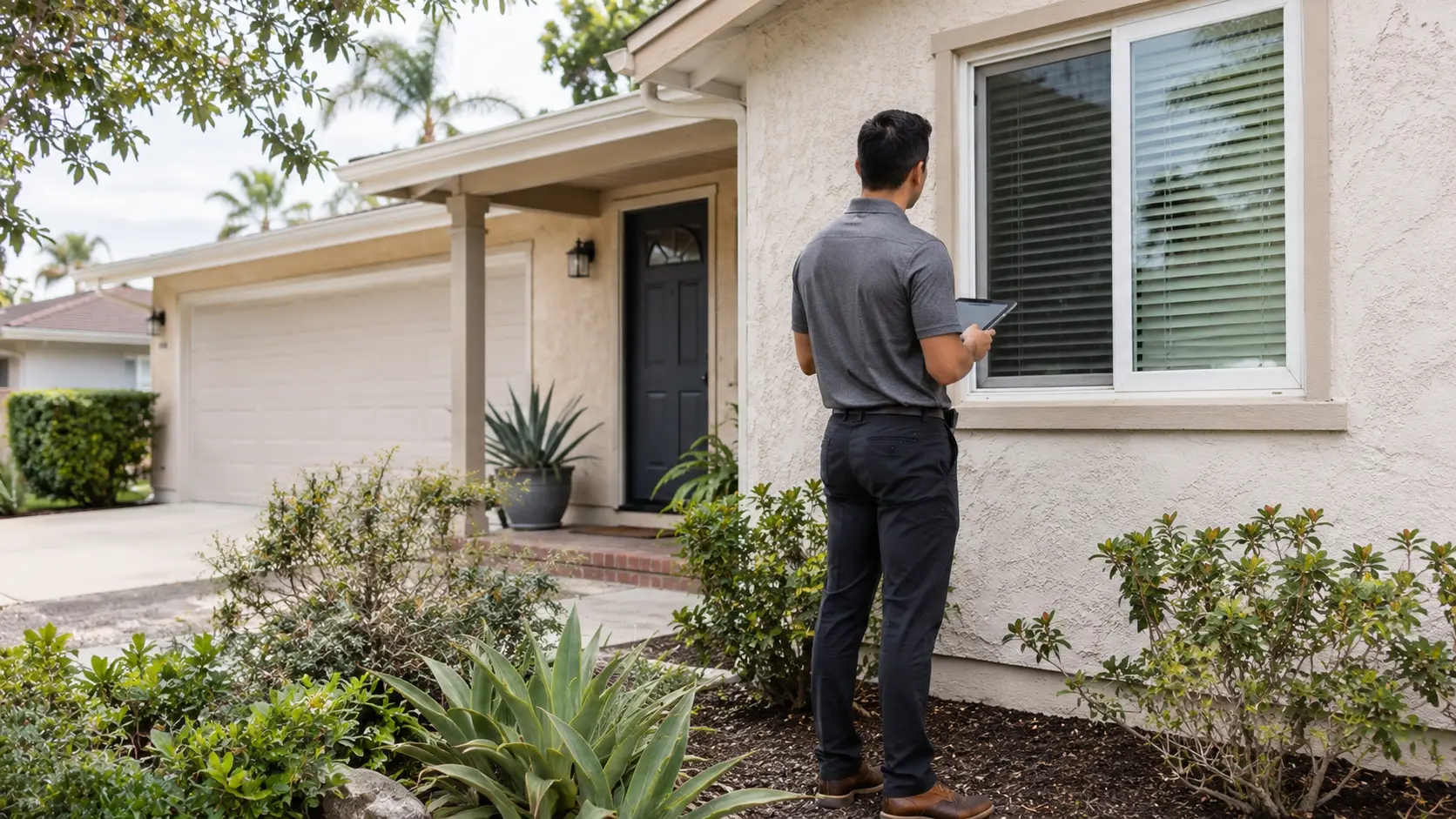
You cannot schedule what you have not listed. Start by reviewing the association’s governing documents to identify which assets the HOA is responsible for maintaining. Walk the property with the board and record the age and condition of each applicable asset. Depending on those documents, the list may include the following.
- Roofs, gutters, and downspouts on shared buildings
- Landscaping, trees, and irrigation systems
- Pools, spas, and the clubhouse
- Gates, lighting, and community signs
- Streets, sidewalks, and drainage channels
- Fences, walls, and playground equipment
- Mailboxes, trash enclosures, and parking areas
Sort Tasks by How Often They Happen
Not every task runs on the same clock. Grouping work by frequency makes the calendar much easier to read. Each group gets its own place on the schedule.
1. Monthly and Quarterly Tasks
Landscaping crews, pool service, and lighting checks usually run on a short cycle. These are the items residents notice first, so a missed visit shows up quickly.
2. Annual Tasks
Gutter cleaning, irrigation tune-ups, and paint touch-ups often happen once a year. Put them on the calendar before the busy season starts. Booking early also gives the board better choices with vendors.
3. Multi-Year Projects
Roofing, repaving, and full repainting need long planning and reserve funding. Start gathering bids well before the work is due. Large projects are easier to fund when the board sees them coming years ahead.
Plan Around the Seasons
Southern California weather shapes the calendar. Inland communities can see summer heat that is hard on irrigation, pool equipment, and clubhouse air conditioning. Heavy rain can also expose drainage problems that stayed hidden in the dry months.
- Clear drains, gutters, and drainage channels before winter rain
- Test irrigation controllers before summer heat arrives
- Trim trees ahead of windy weather
- Check roofs and walkways after heavy storms
- Schedule exterior painting for dry stretches
- Service pool and spa equipment before swimming season
Match the Schedule to the Budget
A schedule without funding is only a wish list. Tie each item to the operating budget or the reserve plan. If the community has a reserve study, it is a good place to start.
- Put routine, repeating work in the operating budget
- Plan large, predictable projects through reserves
- Get fresh bids so the numbers stay current
- Record any deferred items and the reason they were delayed
- Review the schedule each time the annual budget is drafted
Manage Vendors With Clear Expectations
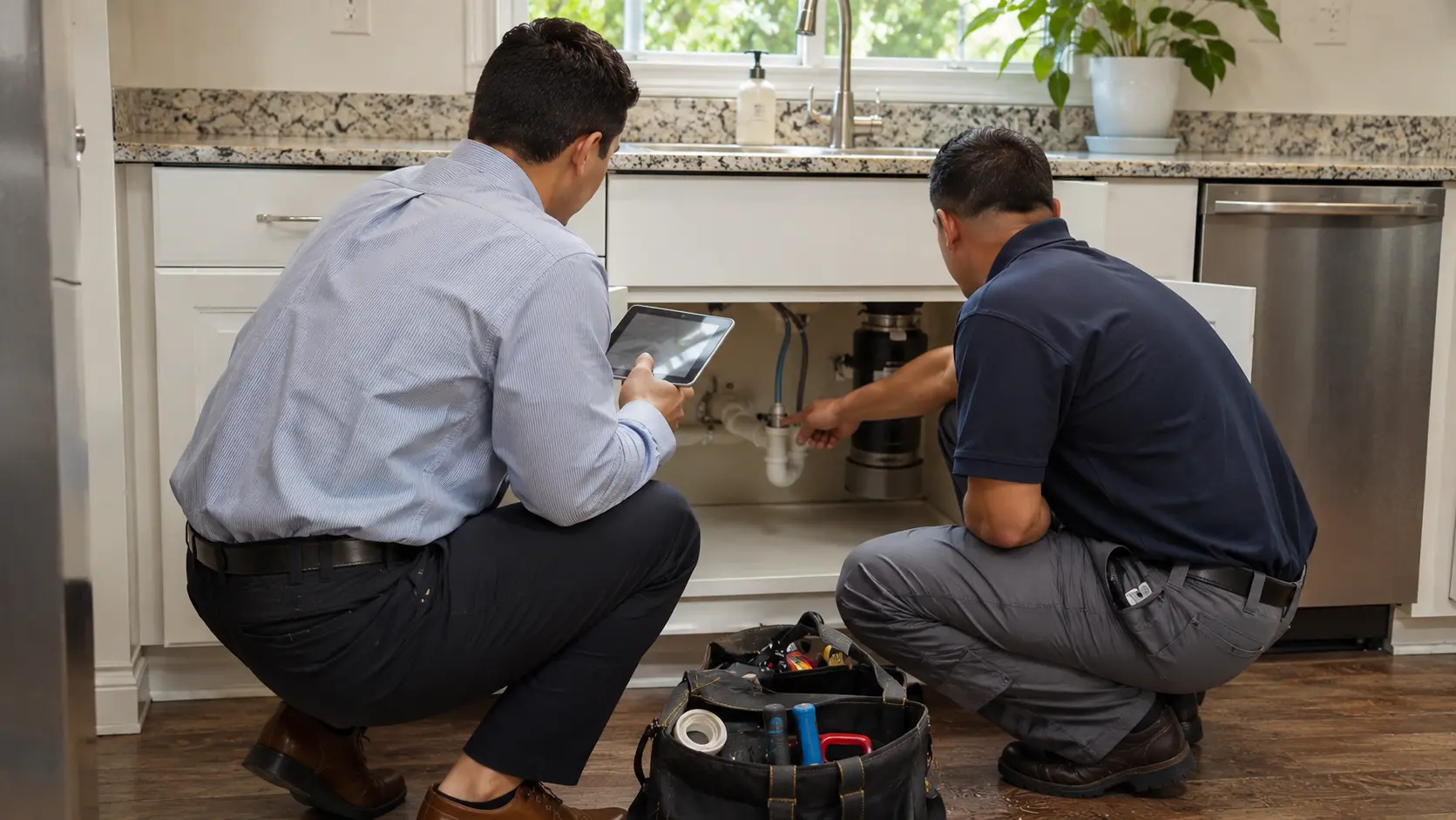
Good vendors help keep a schedule on track, and poor follow-through can turn a simple task into a repeat complaint. Reviewing vendor work on a regular basis helps. Boards that want support can learn more on our HOA management page.
- Collect written bids for larger jobs
- Confirm insurance and licensing before work begins
- Put scope, price, and timing in writing
- Track completion dates and warranty terms
- Keep a service record for every vendor visit
Keep Residents in the Loop
Residents accept work more easily when they know it is coming. Clear notice cuts down on calls and complaints. A short note ahead of time is often all it takes.
- Share the maintenance calendar in newsletters or community notices
- Give advance warning of water shutoffs, noise, and parking limits
- Explain why each project matters to the community
- Follow up when the work is finished
- Report progress at board meetings
Review and Update the Schedule Every Year
A maintenance schedule is a living document. Communities change, equipment ages, and storms cause damage. Plan a regular review so the calendar stays accurate.
- Meet each quarter to check what was completed and what slipped
- Add or move items after storms, inspections, or vendor reports
- Update the asset list when equipment is replaced
- Note which problems repeated and why
- Share the revised schedule with the community
How Property Advantage Helps With HOA Maintenance Scheduling
Maintenance scheduling and coordination are available as part of Property Advantage’s Full Service Community Management offering. No management arrangement can predict every repair or cost, but a clear plan gives the board a stronger starting point. Find the office closest to your community on our locations page.
- Site reviews and management of maintenance requests
- Coordination of follow-up actions on maintenance issues
- Budget assistance for the annual budget
- Board meeting coordination, with board packets that include service provider proposals
- Homeowner communication
Final Thoughts
No schedule removes every surprise. A good one can make surprises smaller and easier to plan for. Boards that plan ahead often spend less time reacting and more time improving the community.
Start with your governing documents, list the assets the association maintains, sort tasks by frequency, and match each one to the budget. Then review the plan every year as the community changes.
Contact Property Advantage today to learn more about HOA maintenance scheduling.