Rental property inspections are one of the most important, yet often misunderstood, parts of property management. Many landlords in San Diego, Orange County, and the Inland Empire either underutilise inspections or approach them inconsistently, which can lead to preventable property damage, tenant disputes, and long-term value loss.
A structured inspection process is not about “checking up” on tenants—it is about protecting the asset, ensuring habitability standards are maintained, and identifying small issues before they become expensive repairs.
Property Advantage integrates routine inspections into a structured management system across areas like Carlsbad, Oceanside, Encinitas, Chula Vista, and Inland Empire cities such as Riverside and Rancho Cucamonga. This ensures properties remain in strong condition year-round.
Why Rental Property Inspections Matter
Inspections serve multiple purposes beyond maintenance. They help landlords:
- Identify maintenance issues early
- Ensure lease compliance
- Protect property value
- Improve tenant accountability
- Reduce long-term repair costs
In competitive rental markets like San Diego and Orange County, well-maintained properties also attract higher-quality tenants and command stronger rental pricing.
Without inspections, small issues often go unnoticed until they become major financial problems.
Types of Rental Property Inspections
1. Move-In Inspection
This establishes the condition of the property before a tenant takes possession. It protects both parties and provides documentation for future comparison.
2. Routine Inspection
Conducted during tenancy, usually every 3–6 months. This ensures the property is being maintained properly and allows early detection of issues.
3. Move-Out Inspection
This determines any damage beyond normal wear and tear and supports security deposit decisions.
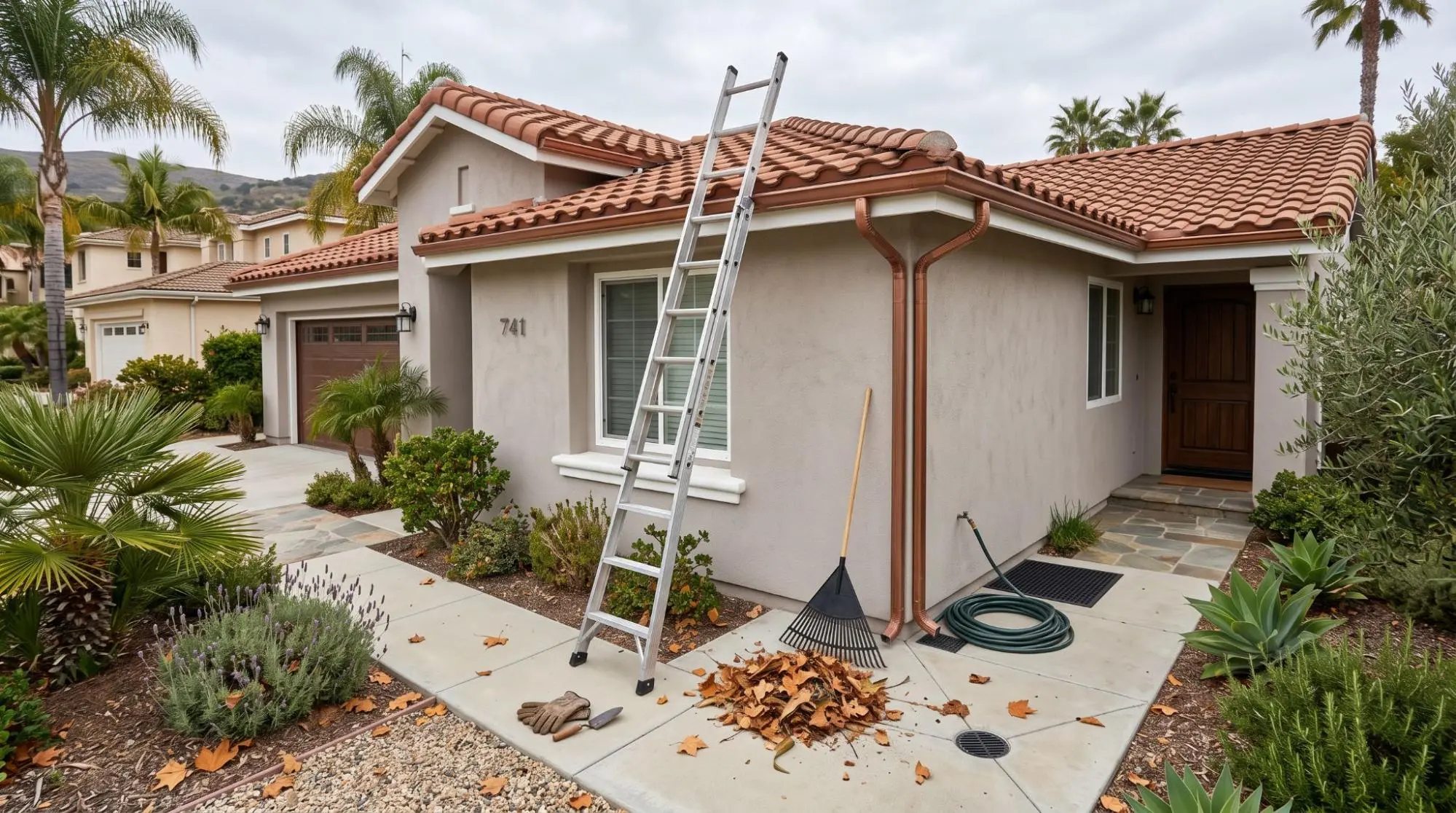
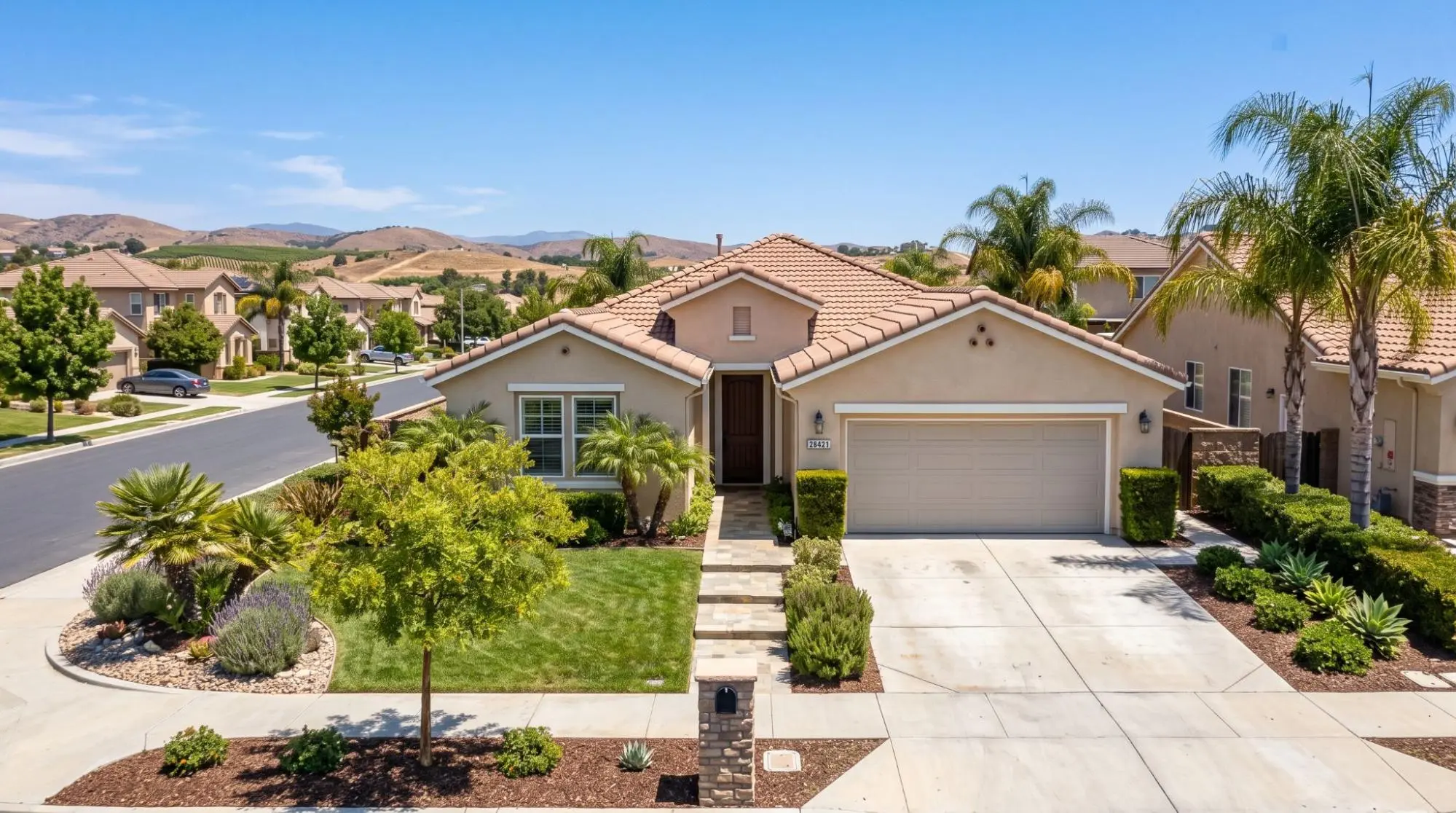
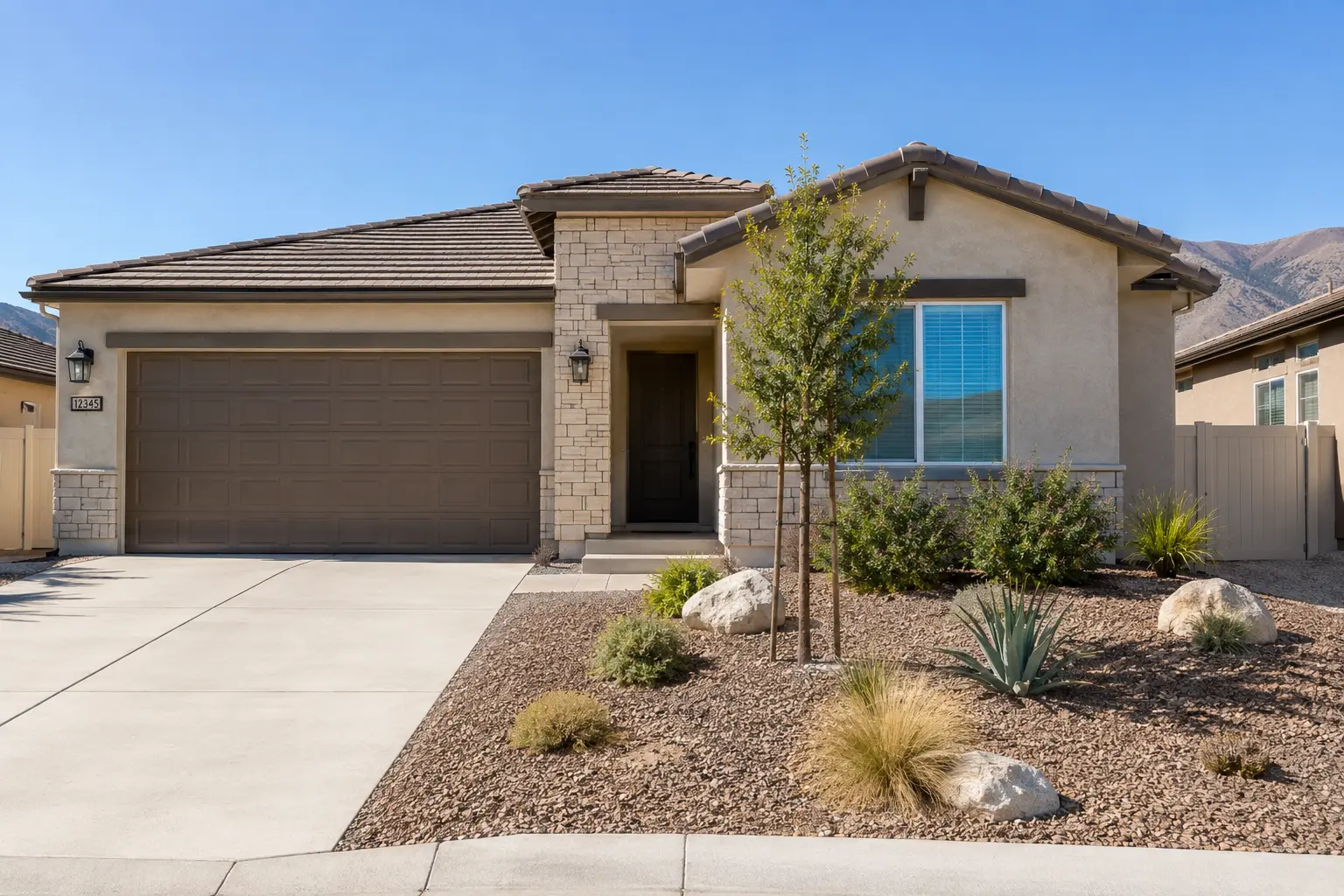
4. Drive-By or Exterior Inspection
Used for quick visual checks of exterior condition, landscaping, and general upkeep.
Property Advantage uses all of these inspection types depending on property needs and location.
What Is Checked During a Routine Inspection?
A proper inspection is detailed and structured, not superficial. Key areas include:
- Plumbing systems (leaks, pressure, drainage)
- Electrical systems and safety checks
- HVAC performance and filter condition
- Appliance functionality
- Walls, flooring, and ceilings for damage
- Signs of moisture or mould
- Smoke and CO detectors
- Exterior condition and landscaping
In coastal cities like Del Mar or Solana Beach, inspections often focus more heavily on moisture intrusion and corrosion due to salt air exposure.
In inland areas like Escondido or Santee, heat-related wear on HVAC systems is more common.
Tenant Communication and Inspection Etiquette
One of the most overlooked aspects of inspections is communication. Poor communication can create tension between landlords and tenants.
Professional inspections should always include:
- Proper legal notice
- Clear scheduling
- Transparent purpose explanation
- Respectful conduct during visit
When handled professionally, inspections actually improve tenant relationships rather than harm them. Tenants feel reassured that the property is being properly maintained.
How Inspections Prevent Expensive Repairs
Most major repair costs start as small, unnoticed issues:
- A slow leak becomes water damage
- A clogged drain becomes pipe failure
- Poor ventilation becomes mould growth
- HVAC neglect becomes full system replacement
Inspections ensure these issues are identified early.
For example, a property in Oceanside or Chula Vista may show early moisture issues due to seasonal humidity. Catching this early can save thousands in repairs.
Legal Importance of Inspections in California
California rental law requires landlords to maintain habitable living conditions. Inspections help ensure compliance with:
- Safety standards
- Habitability requirements
- Local housing codes
- Fair housing regulations
Failure to maintain these standards can result in legal disputes or enforcement action.
Role of Property Management in Inspections
Managing inspections across multiple properties requires coordination, documentation, and consistency.
Property Advantage handles:
- Scheduled routine inspections
- Detailed reporting with photos
- Maintenance coordination from findings
- Tenant communication and compliance
- Follow-up repair tracking
This ensures landlords always have a clear understanding of property condition without managing the process themselves.
Final Thoughts
A structured rental property inspection process is one of the most effective tools for protecting long-term investment value.
Landlords who conduct regular inspections consistently experience fewer emergencies, lower repair costs, and stronger tenant relationships.
Across San Diego County, Orange County, and the Inland Empire, inspection-driven property management leads to more stable and profitable rental portfolios.
Contact Property Advantage today to learn more about getting the most out of your investment property.