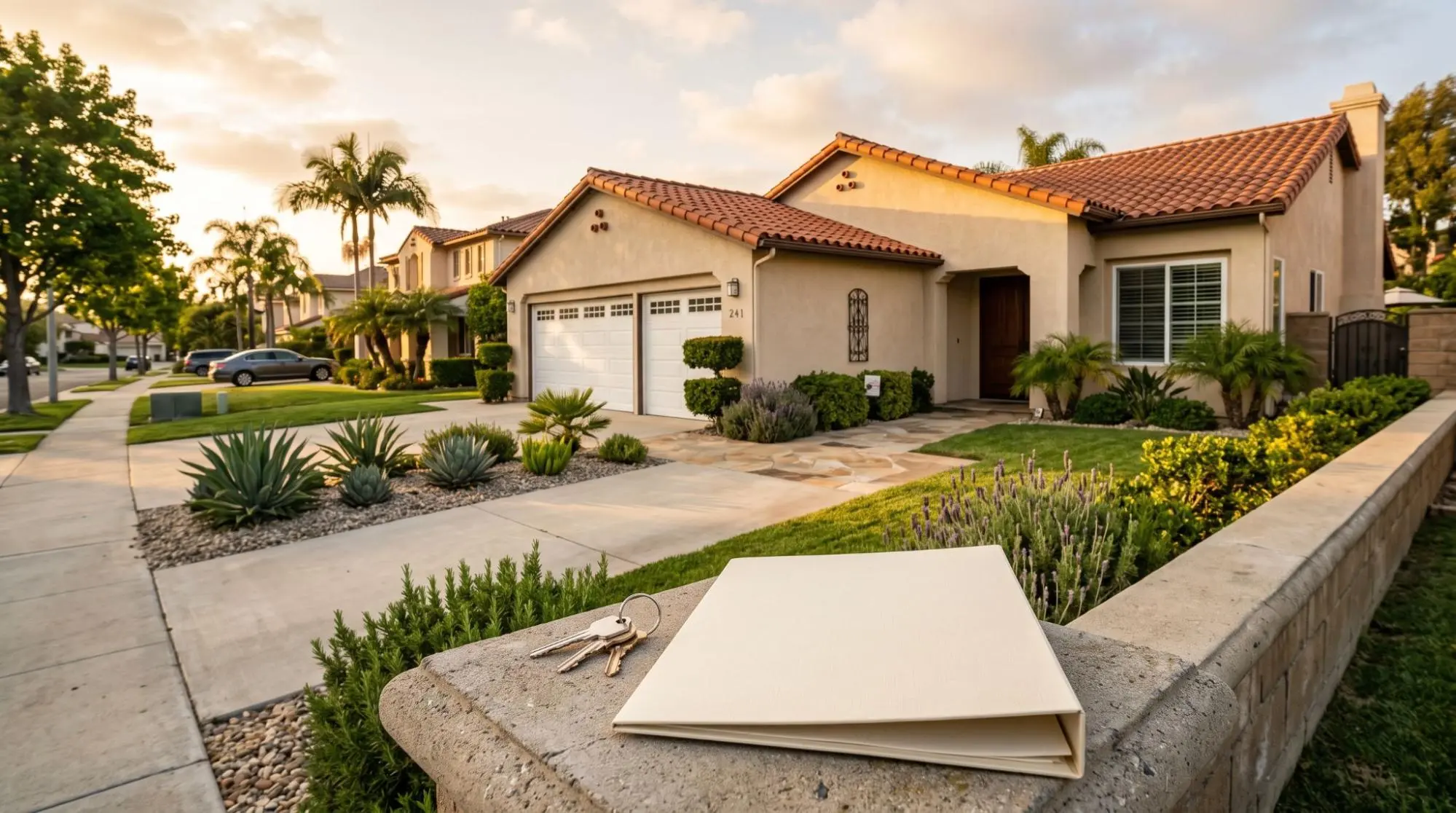
Should I sell or rent my house? It’s one of the biggest questions homeowners face when they move, relocate for work, or upgrade. The answer affects your finances, your time, and your long-term plans.
Many owners decide based on a gut feeling or a single number, like what a neighbor’s home sold for. In San Diego, Orange County, and the Inland Empire, the better choice depends on the home itself, the real monthly numbers, and how involved the owner wants to be.
Property Advantage helps owners think through this decision in Encinitas, San Marcos, Irvine, and Rancho Cucamonga, along with other communities we serve. A clear look at the property and the numbers makes the choice much easier.
Start With Your Goals
The right answer depends on what you want from the property. Be honest about your plans for the next several years.
- Do you need the equity for your next home purchase?
- Are you likely to return to the area someday?
- Would you rather have monthly income or a lump sum?
- Is this home part of a long-term investment plan?
- How much time are you willing to spend on it?
Run the Rental Numbers
A home that looks profitable can look very different once every cost is counted. Start with a simple formula:
Monthly Rent – Total Monthly Costs = Monthly Cash Flow
- Mortgage payment, including principal and interest
- Property taxes and insurance
- HOA dues, if any
- Maintenance and repair reserves for both small fixes and big-ticket items
- Property management fees
- An allowance for vacancy between tenants
Think About Long-Term Value
Renting keeps you invested in the property’s future value, while selling locks in your current position. Owners of coastal homes in Encinitas often weigh long-term value heavily because homes near the beach can be hard to buy back once sold.
- How long you plan to hold the property
- Expected costs of major repairs, like a roof or HVAC system, over time
- Whether the home layout suits renters
- Your comfort with market ups and downs while you own the home
- How the home fits with your other savings and investments
Check Tax and Loan Details
Selling and renting can have very different tax results. Talk with a tax professional before deciding, since the rules depend on your personal situation.
- Possible capital gains taxes on a sale
- What changes when the home is no longer your primary residence
- How rental income and expenses are reported
- Loan or insurance terms that may change when you rent
- HOA rules on leasing, if the home is in an association
Assess the Property’s Condition
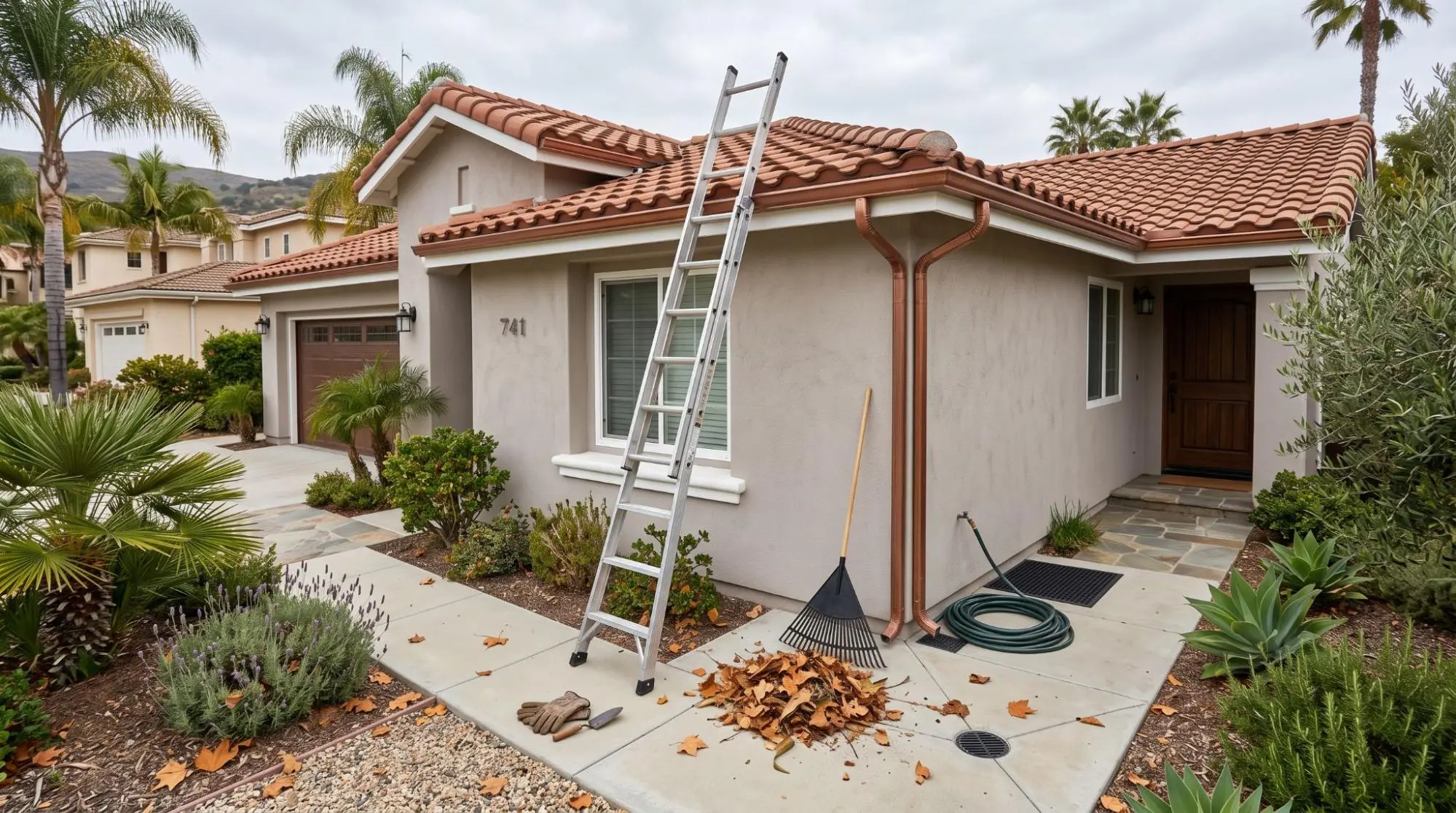
Some homes are ready to rent right away. Others need work before they can be leased or listed. A property evaluation, one of our property management services, can show owners what a home needs before it goes on the rental market.
- Age of the roof, HVAC system, and water heater
- Needed repairs or safety updates before a tenant moves in
- Condition of appliances
- Yard and exterior upkeep
- Practical features such as parking, storage, and in-unit laundry
Consider Your Time and Distance
Being a landlord takes time, even with a great tenant. An owner relocating from San Marcos to another state, for example, would still need someone local to handle repairs, showings, and inspections.
- Tenant calls and repair requests, sometimes at inconvenient hours
- Move-in, move-out, and routine inspections
- Rent collection and follow-up on late payments
- Legal notices and compliance
- Finding and screening a new tenant when a lease ends
When Selling or Renting Tends to Make Sense
There’s no single right answer, but some patterns show up often. Owners who expect to come back may also consider mid-term or furnished rentals, which Property Advantage offers. We do not manage Airbnb or VRBO short-term rentals.
1. When Selling Often Makes Sense
You need the equity now, the home needs major work, the rental numbers come out negative, or you simply don’t want the responsibilities of being a landlord. Selling can also make sense if the home no longer fits your long-term plans.
2. When Renting Often Makes Sense
The monthly numbers work, you may want to return someday, you want long-term income, and you’re open to professional help managing the property. Renting can also give you time to decide later, without rushing a sale.
Plan for Your First Year as a Landlord
The first year of renting a former home often brings surprises. Planning for them ahead of time makes the switch much easier.
- Update your insurance to a landlord policy before a tenant moves in.
- Set aside cash for repairs that come up in the first few months.
- Move personal items out and leave the home clean and working.
- Keep clear records of income and expenses from day one.
- Decide who tenants should call for repairs and emergencies.
How Property Advantage Helps With the Sell or Rent Decision
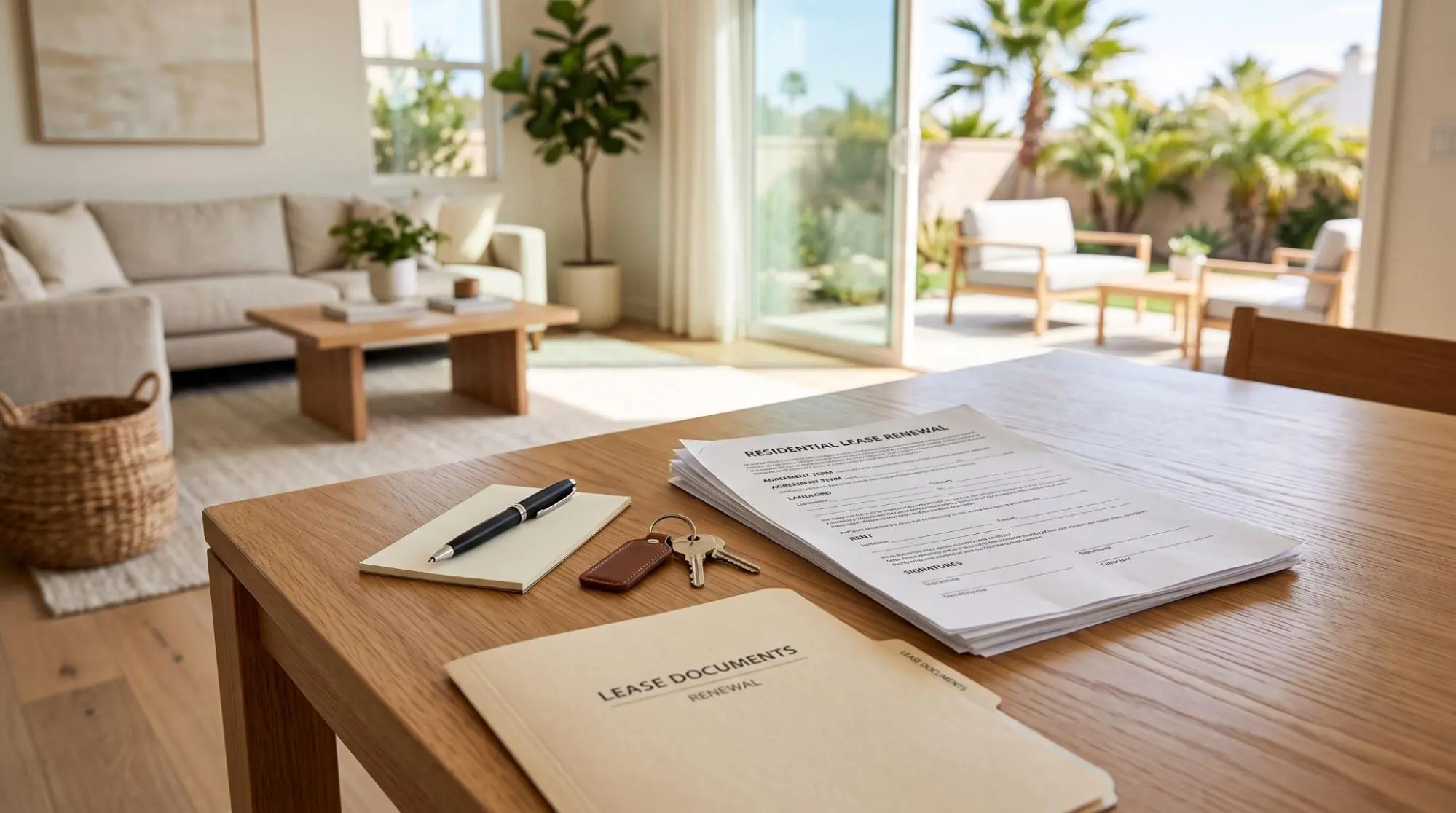
If renting looks like the right fit, Property Advantage can take it from evaluation to a signed lease and beyond.
- Property evaluation to assess rental readiness
- Rent guidance based on local market data and comparable homes
- Preparing the home for its first tenant
- Marketing, tenant screening, and lease preparation
- Ongoing maintenance coordination, rent collection, and monthly reporting
Final Thoughts
Should I sell or rent my house? The best answer comes from your goals, the real numbers, and how much time you want to give the property. Taking a few weeks to look at each of these can help you avoid a rushed decision.
If you decide to rent, Property Advantage has helped over 1,000 Southern California property owners with a personal, boutique approach. Visit our locations page to find the office nearest your home.
Contact Property Advantage today to learn more about whether to sell or rent your house.